Structural variation
Getting started guides
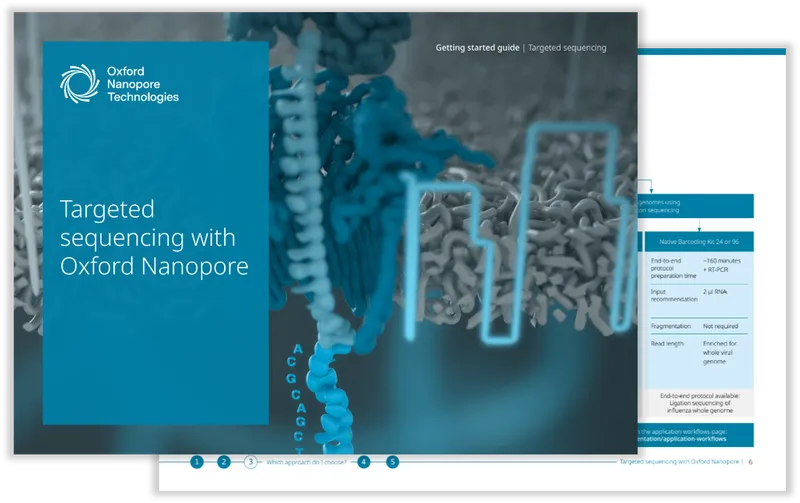
A guide to targeted sequencing with Oxford Nanopore
This guide provides an introduction to performing targeted nanopore sequencing.
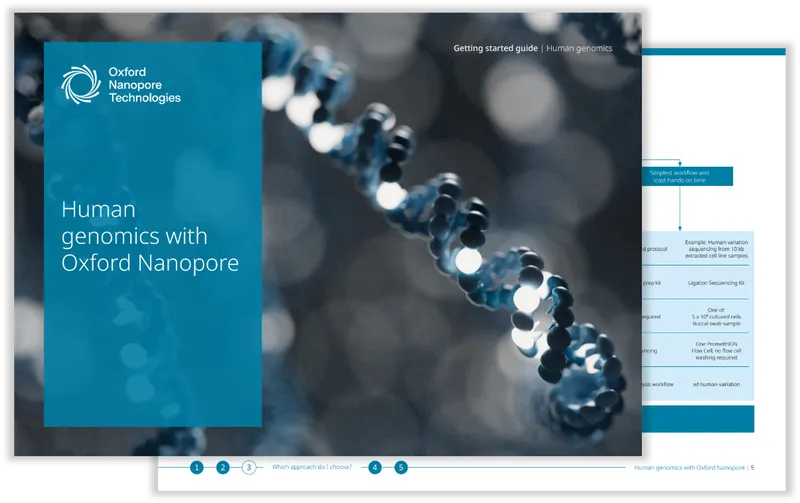
A guide to human genomics with Oxford Nanopore
This guide introduces how to sequence human genomes with Oxford Nanopore, from the construction of new, highly complete reference assemblies to the comprehensive identification of variants.
Workflow overviews
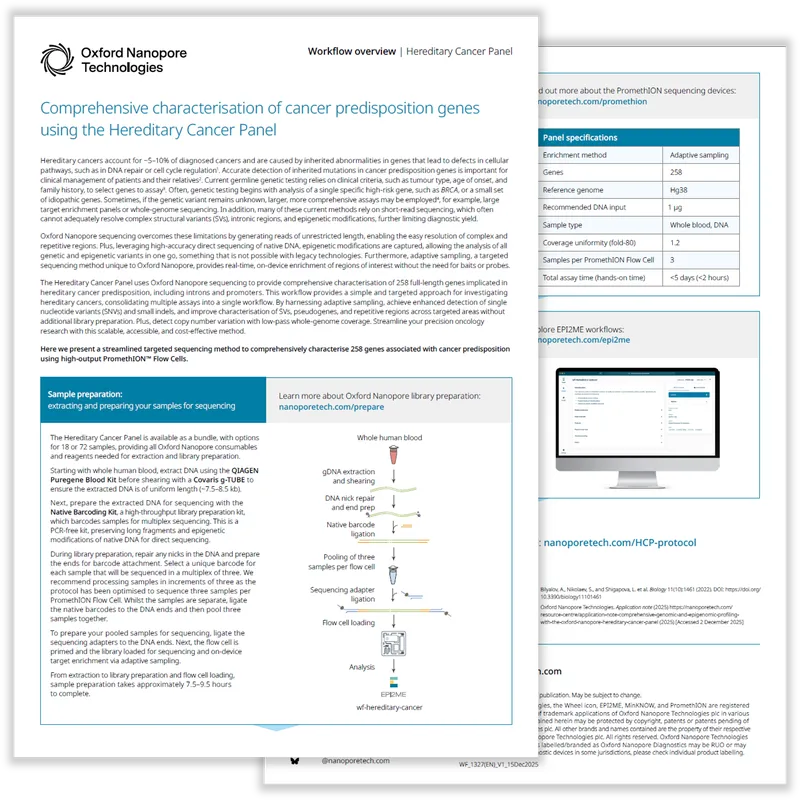
Comprehensive characterisation of cancer predisposition genes using the Hereditary Cancer Panel
Discover the Hereditary Cancer Panel workflow and streamline your precision oncology research.
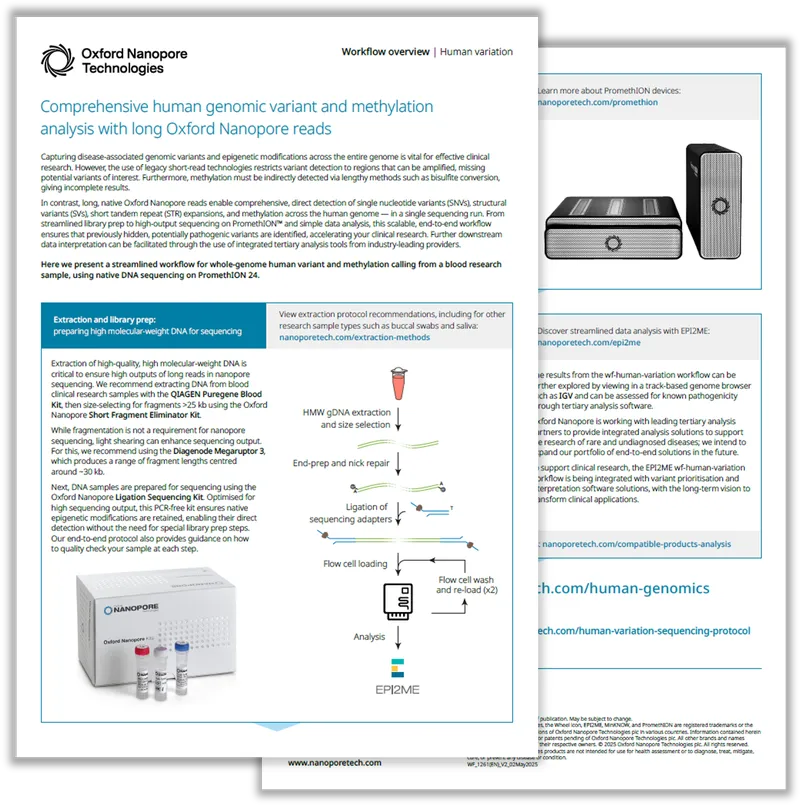
Comprehensive human genomic variant and methylation analysis with long Oxford Nanopore reads
This end-to-end workflow provides a scalable method to identify previously hidden and potentially pathogenic variants.

Characterising genomic and epigenomic variation between tumour-normal research samples using long nanopore sequencing reads
This end-to-end workflow overview provides a simple solution for detecting a wide range of tumour-specific variation in a single sequencing assay.
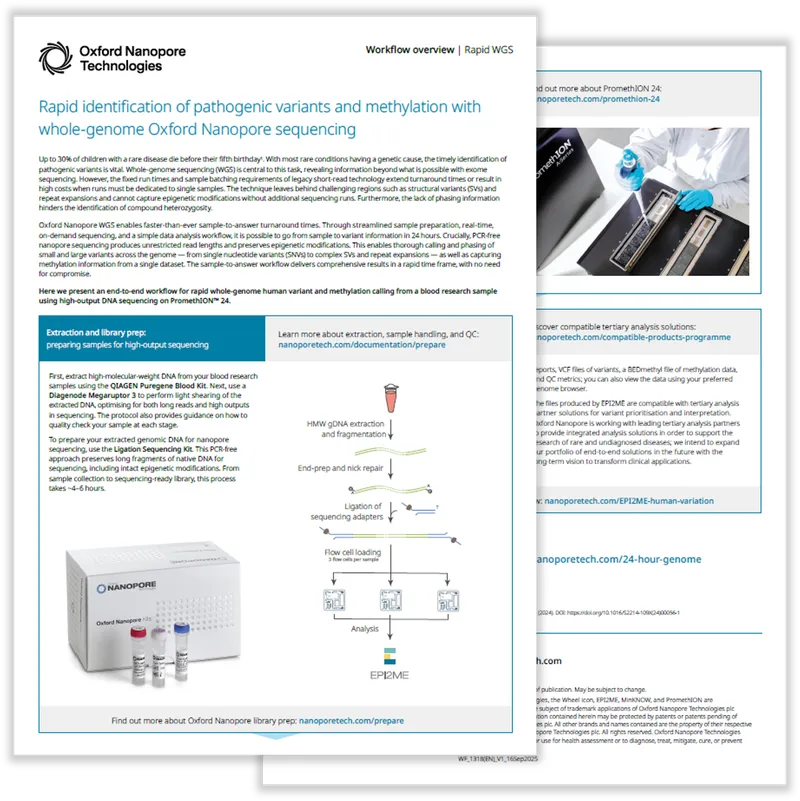
Rapid identification of pathogenic variants and methylation with whole-genome Oxford Nanopore sequencing
This end-to-end workflow introduces how to perform rapid whole-genome human variant and methylation calling from a blood research sample using high-output DNA sequencing on PromethION 24.
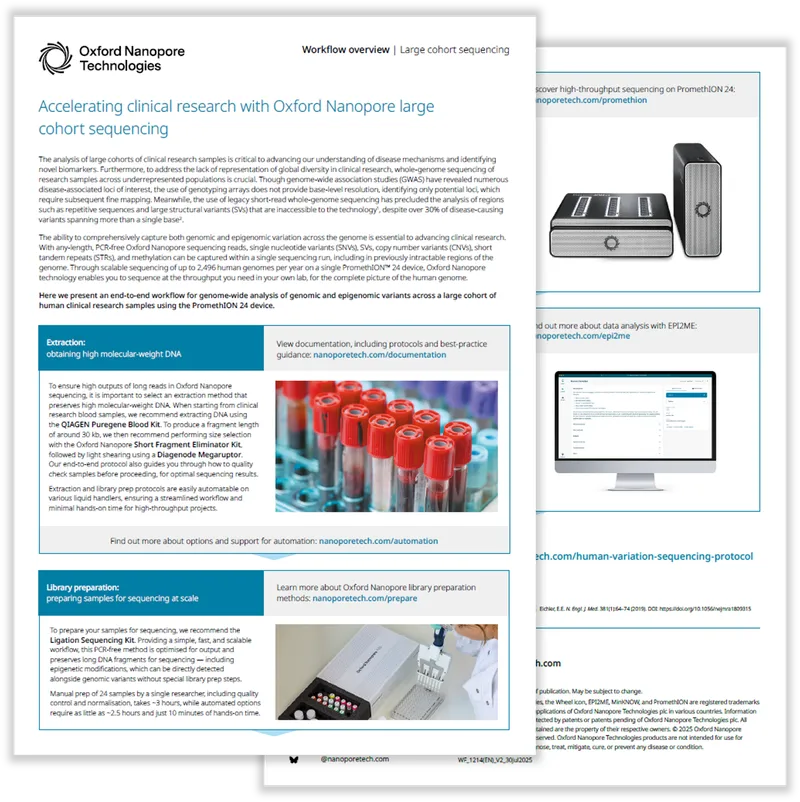
Accelerating clinical research with Oxford Nanopore large cohort sequencing
This end-to-end workflow provides a scalable solution for genome-wide analysis of genomic and epigenomic variants across a large cohort of human research samples with Oxford Nanopore sequencing.
Most viewed
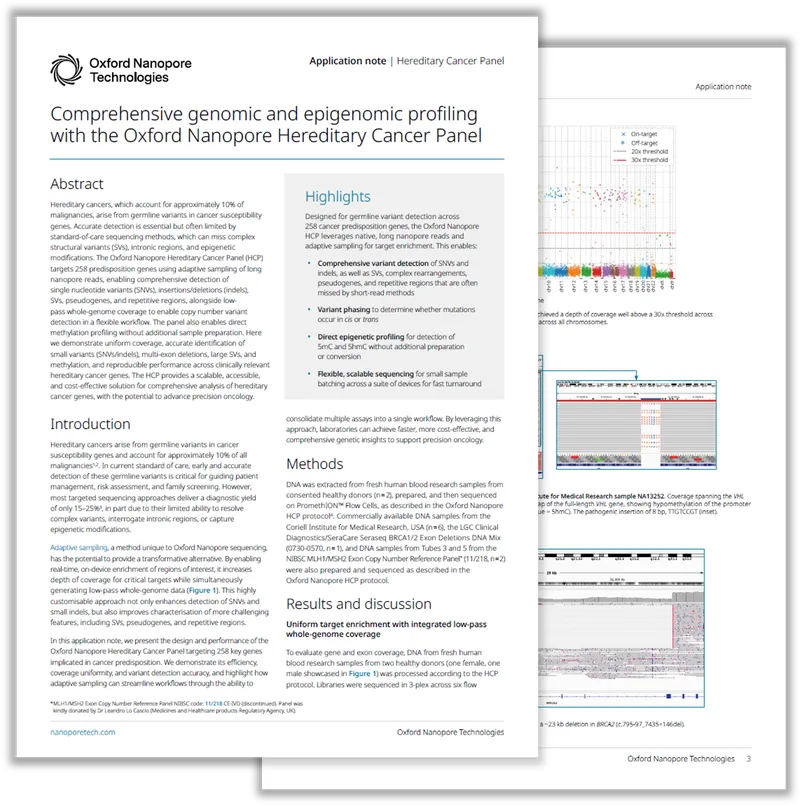
Comprehensive genomic and epigenomic profiling with the Oxford Nanopore Hereditary Cancer Panel
In this application note, we present the design and performance of the Oxford Nanopore Hereditary Cancer Panel targeting 258 key genes implicated in cancer predisposition.
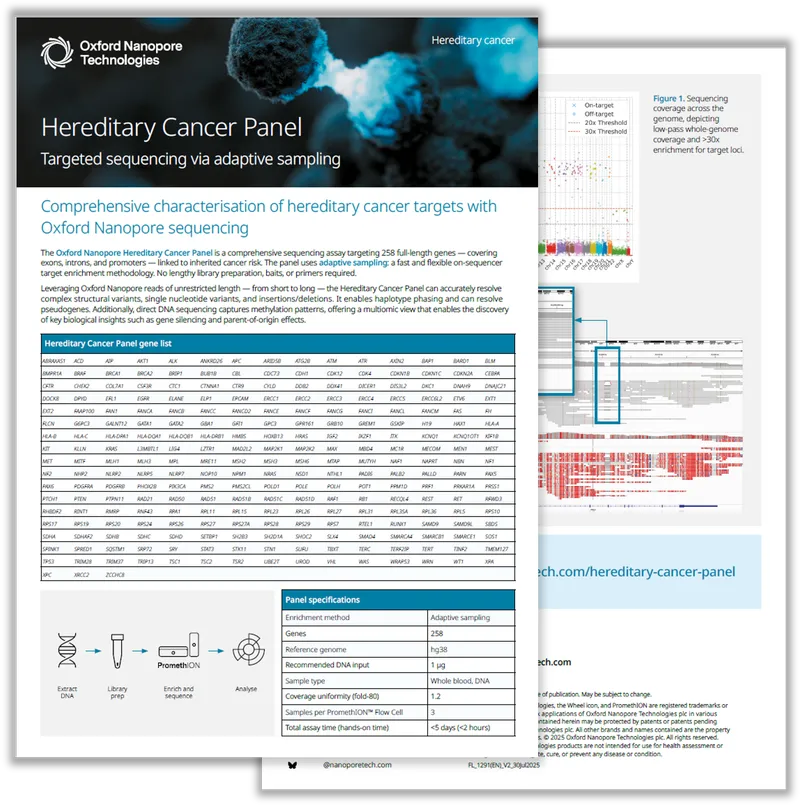
Hereditary Cancer Panel: targeted sequencing via adaptive sampling
In this flyer, discover how to utilise the Oxford Nanopore Hereditary Cancer Panel to investigate 258 key genes associated with hereditary cancer risk.
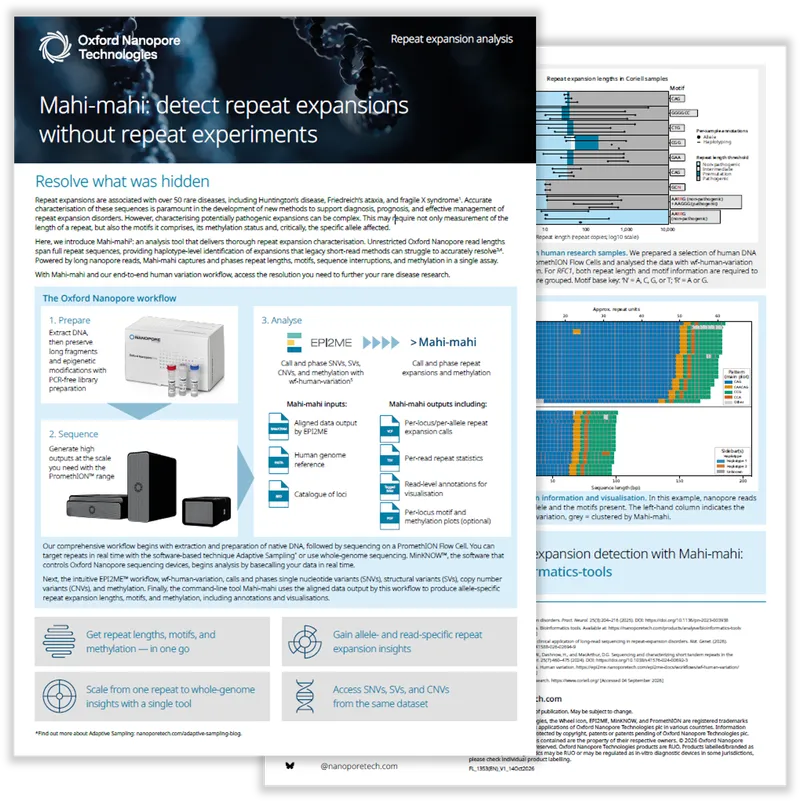
Mahi-mahi: detect repeat expansions without repeat experiments
In this flyer, discover Mahi-mahi: an analysis tool powered by Oxford Nanopore reads that captures and phases repeat expansion lengths, motifs, sequence interruptions, and methylation in a single assay.
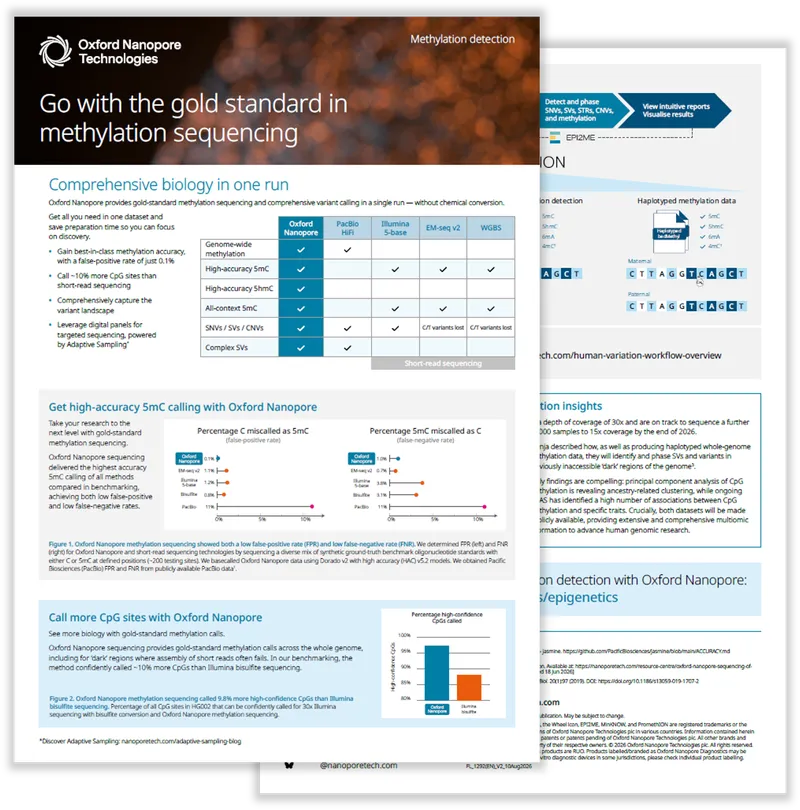
Go with the gold standard in methylation sequencing
In this flyer, find out how Oxford Nanopore provides gold-standard methylation sequencing and comprehensive variant calling in a single run — without chemical conversion.
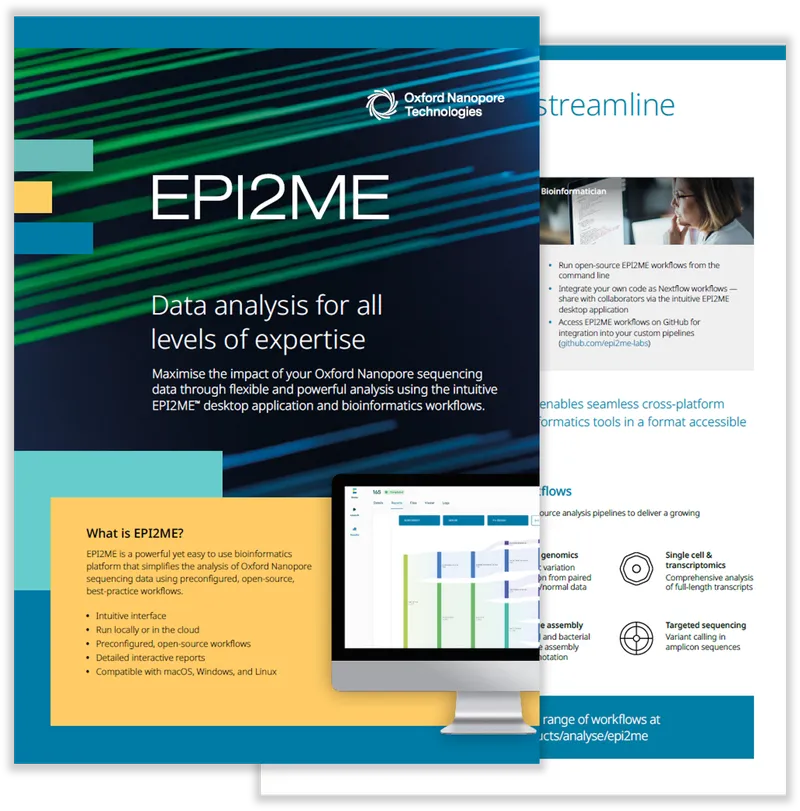
EPI2ME: data analysis for all levels of expertise
Discover EPI2ME and how it provides data analysis for all levels of expertise
Featured resources

Real-time targeted sequencing with adaptive sampling | LC 25
AbstractDiscover adaptive sampling: a simple, on-device enrichment method that requires no additional wet-lab prep and offers real-time data analysis for faster access to results.

Adaptive Sampling enables rapid and complete profiling of pediatric cancers | LC26
Timely and comprehensive molecular classification is essential for therapeutic decision-making in pediatric oncology, yet current diagnostic workflows rely on multi-step, time- and resource-intensive testing. We present a standardized Oxford Nanopore Technologies whole-genome sequencing approach usi
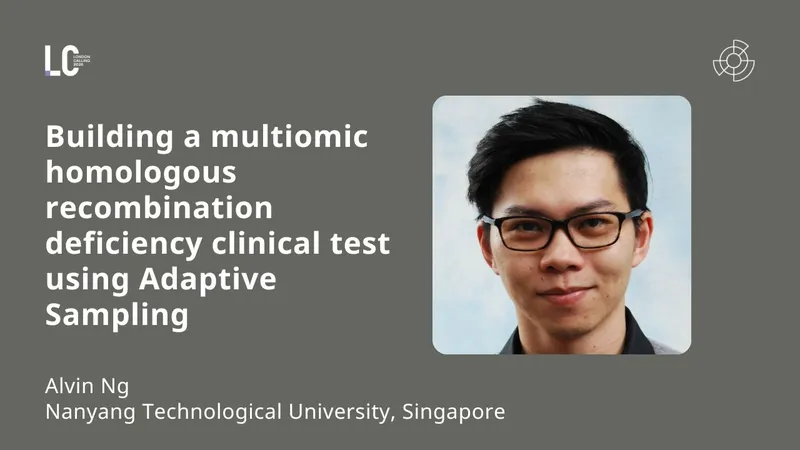
Building a multiomic homologous recombination deficiency clinical test using Adaptive Sampling | LC26
Homologous recombination deficiency (HRD) affects breast, ovarian, pancreas and prostate cancers. Patients with HRD tumours can respond to poly ADP-ribose polymerase (PARP) inhibitors and platinum-based therapies. HRD results in a variety of single base, insertion and deletion, and large structural
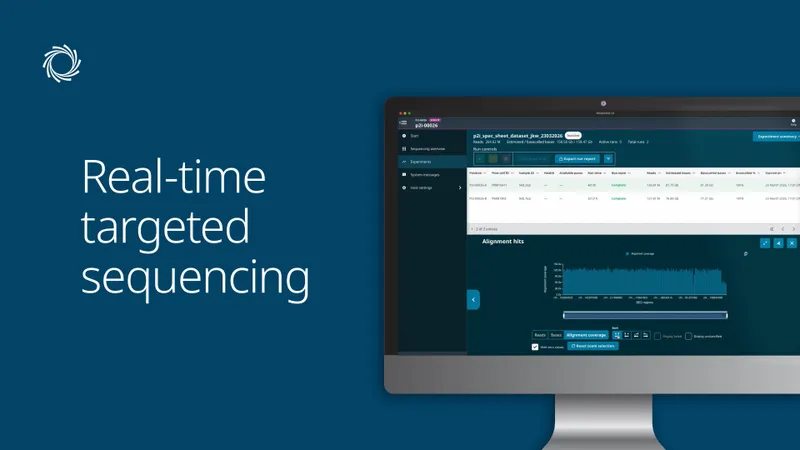
How do I perform real-time targeted Oxford Nanopore sequencing?
What if targeted sequencing took place during sequencing itself, without the need for special library prep, PCR, or probes? In this demo, discover Adaptive Sampling: a unique, real-time targeted enrichment/depletion method that achieves just that.

Faster analysis of cancer-associated variants using a unique targeted nanopore sequencing approach
In this case study, discover the benefits of adaptive sampling and how it has been applied to cancer research.
Protocols
Ligation sequencing DNA V14 (SQK-LSK114) [ライゲーションシークエンシングDNA V14 (SQK-LSK114) ]
- このプロトコールではゲノムDNAを使用します。
- 調製時間は約60分です。
- フラグメンテーションは任意としています。
- PCR無し
- R10.4.1フローセルとの互換性
研究用のみ
この翻訳は英語バージョン「X」をもとに翻訳されています。 新しいバージョンが出ている可能性があるので、この翻訳を使用する前にコミュニティーで今の英語のバージョンをご確認ください。
Analysis workflows
Latest research

Long-read sequencing and adaptive sampling solve complex diagnostic conundrums | LC 25
Prof. Sebastian Lunke is the Head of Division of Genetics and Genomics at the Victorian Clinical Genetics Services. His team oversees the development and delivery of clinically accredited genetics and genomics laboratories in Australia, with a strong focus on translating...
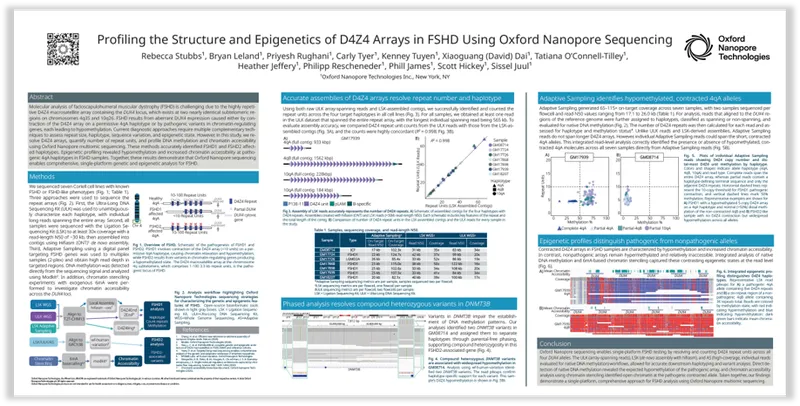
Profiling the structure and epigenetics of D4Z4 arrays in FSHD using Oxford Nanopore sequencing
Profiling the structure and epigenetics of D4Z4 arrays in FSHD using Oxford Nanopore sequencing
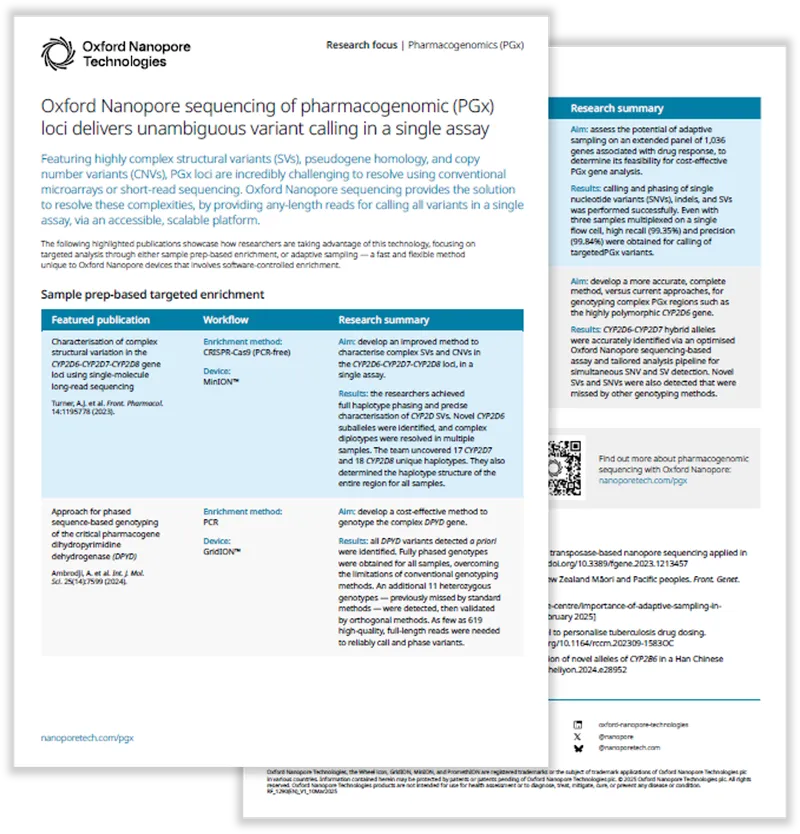
Oxford Nanopore sequencing of pharmacogenomic (PGx) loci delivers unambiguous variant calling in a single assay
Highlighted publications showing how researchers are using Oxford Nanopore sequencing for pharmacogenomics (PGx) research.

Integrated genetic and epigenetic diagnosis of facioscapulohumeral muscular dystrophy using Oxford Nanopore long-read sequencing
Authors: Xinrong Xu, Liangliang Qiu, Minghui Zeng, Qifang He, Xiaodan Lin, Yuhua Lin, Xinyue Chen, Fuze Zheng, Zeling Zheng, Shuhui Zhu, Yali Hong, Feng Lin, Ning Wang, Minting Lin, Zhiqiang Wang

Cost-efficient long-read trio-barcoded adaptive sequencing improves rare disease diagnosis
Authors: Yilei Fu, Adam C. English, Luis F. Paulin, Shalini N. Jhangiani, Nikhita Gogate, George Weissenberger, Vanessa Vee, Han Yi, Heer H. Mehta, Donna M. Muzny, Richard A. Gibbs, Jennifer E. Posey, Daniel G. Calame, Fritz J. Sedlazeck


